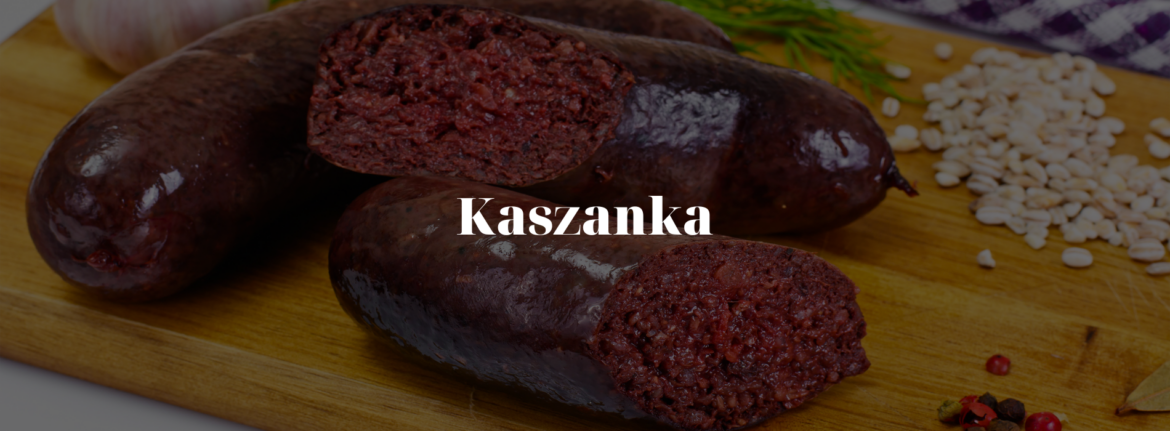
For many visitors to Poland, the national cuisine is a comforting, familiar landscape of pierogi, potatoes, and breaded pork cutlets. But venture a little deeper into the countryside—or attend a summer garden party—and you will encounter a dish that separates the casual tourists from the true culinary adventurers: kaszanka.
Often described to foreigners simply as „Polish blood sausage,” kaszanka (pronounced kah-SHAHN-kah) is a rustic, hearty, and sometimes divisive delicacy. Yet, for those who grew up with it, it is a beloved taste of home, an absolute necessity at summer barbecues, and a profound symbol of Poland’s zero-waste agricultural history.
The Philosophy of Świniobicie: Waste Not, Want Not
To truly understand kaszanka, you have to look back at the traditional Polish countryside. Before the convenience of modern supermarkets, the preparation of meat was a rare, monumental, and communal event known as świniobicie (pig slaughter).
- A Communal Effort: Often taking place in late autumn or right before major holidays, it was an event that required the help of extended family and specialized village butchers.
- The Golden Rule: The absolute most important rule of świniobicie was that nothing could go to waste.
While the prime cuts of meat were smoked, cured, or salted to last through the harsh winter, the nutrient-dense offal and fresh blood had to be consumed quickly. Kaszanka was born out of this brilliant, frugal necessity. It transformed scraps into a deeply flavorful, calorie-dense meal that could sustain farmers through long days of physical labor.
The Holy Trinity of Ingredients
What makes kaszanka completely different from British black pudding, French boudin noir, or Spanish morcilla? The clue is right there in the name: kasza (groats).
A true Polish kaszanka relies on a specific blend of three main elements, balanced to perfection:
- The Groats: Traditionally, hearty buckwheat (kasza gryczana) or pearl barley (kasza jęczmienna) makes up the bulk of the sausage. This gives the dish a distinct, chewy texture and a deeply earthy flavor.
- The Meat and Broth: A mixture of pork offal (often liver, lungs, and skin), rich fat, and hot pork broth is used to bind the groats together.
- The Blood: Fresh pig’s blood is added last. It not only gives the sausage its signature dark color but acts as a savory, mineral-rich binder.
To cut through this intense richness, the mixture is heavily seasoned. A good kaszanka is packed with sweet, caramelized onions, sharp black pepper, and massive amounts of dried marjoram—the unofficial herb of Polish comfort food.
The Dark Horse of the Polish „Grill”
While it originated as a winter survival food, kaszanka has experienced a massive cultural rebranding in recent decades. Today, it is the undisputed star of the modern Polish grill (barbecue) season.
When the weather warms up, Poles flock to their garden allotments (działki) and fire up the charcoal. While standard sausages (kiełbasa) and marinated pork neck (karkówka) are mandatory, no Polish barbecue is complete without kaszanka.
The absolute best way to prepare it is the foil-packet method:
- The sausage is nestled into a piece of aluminum foil alongside thick slices of white onion and sometimes tart apples.
- As it roasts over the hot coals, the delicate casing bursts. The kaszanka practically melts, absorbing the sweetness of the fruit and onions.
The result is a rich, savory, crumbly hash. It is traditionally scooped straight out of the foil with thick slices of crusty sourdough bread and paired with a dollop of sharp, spicy mustard.
A Taste of True Resourcefulness
Kaszanka may not have the elegant PR of a delicate plate of pierogi, but it doesn’t need it. It is an unapologetic, deeply traditional dish that tells the story of Polish resourcefulness and survival. It is a masterpiece of rural heritage that continues to bring people together around the fire today.