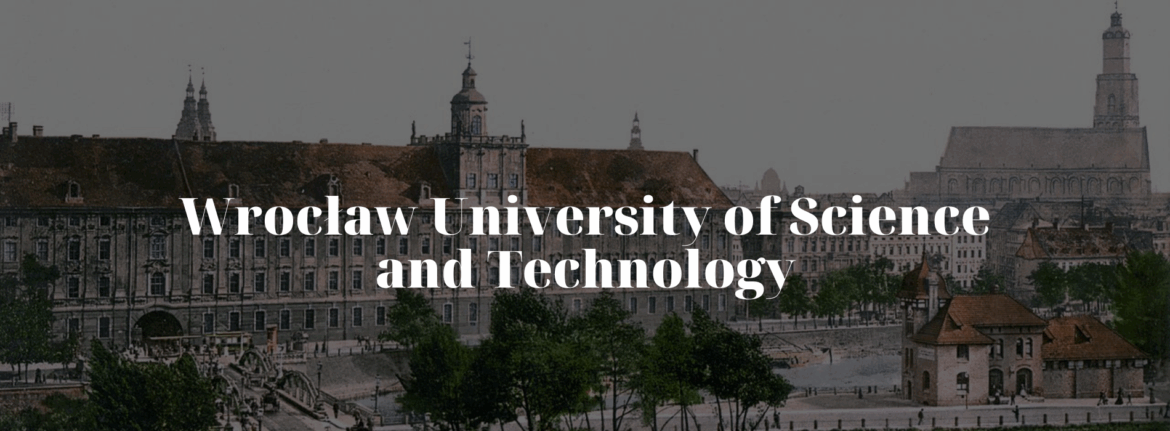
Situated in the historic city of Wrocław, the Wrocław University of Science and Technology (WUST) stands as one of Poland’s most prominent technical institutions. Known for its commitment to innovation, industry partnerships, and world-class education in engineering and applied sciences, WUST has shaped generations of scientists, engineers, and entrepreneurs. Its history, rooted in both resilience and reinvention, reflects not only the story of a university but also that of a region that has faced significant geopolitical and cultural shifts.
A University Reborn from the Ashes of War
Although the modern Wrocław University of Science and Technology was officially established in 1945, its academic roots reach back to the German Technische Hochschule Breslau, which functioned in the city (then known as Breslau) prior to World War II. After the war, as borders shifted and Wrocław became part of Poland, Polish academics from Lwów Polytechnic (Lviv, now in Ukraine) were invited to rebuild the city’s intellectual landscape.
This transplantation of knowledge and faculty was instrumental. Professors and students—many from the Lwów School of Mathematics and Engineering—brought with them not just expertise but also an academic culture that continues to influence the university today. Among these pioneers were leading figures in mechanics, electrical engineering, and architecture who laid the foundations for what would become one of Poland’s foremost polytechnic schools.
Building a Technological Legacy
From its inception, WUST (or Politechnika Wrocławska, in Polish) positioned itself as a leader in technical education and research. Today, it boasts 13 faculties, including Architecture, Civil Engineering, Electronics, Mechanical Engineering, and Computer Science. The university’s academic offerings include Bachelor’s, Master’s, and Doctoral programmes, many of which are internationally accredited and available in English.
WUST is consistently ranked among Poland’s top technical universities. It stands out not only for academic rigour but also for its connections with industry and real-world application. Strong partnerships with companies like Nokia, Bosch, Microsoft, and KGHM ensure that students are well-prepared for careers in fast-evolving technological sectors.
Research is a central pillar of the university’s mission. WUST participates in numerous European Union research initiatives, and its laboratories contribute to advances in fields like automation, renewable energy, materials science, and cybersecurity. The institution also leads multiple scientific clusters and innovation hubs, fostering collaboration between academia and industry.
Campus Life: Modernity Meets Tradition
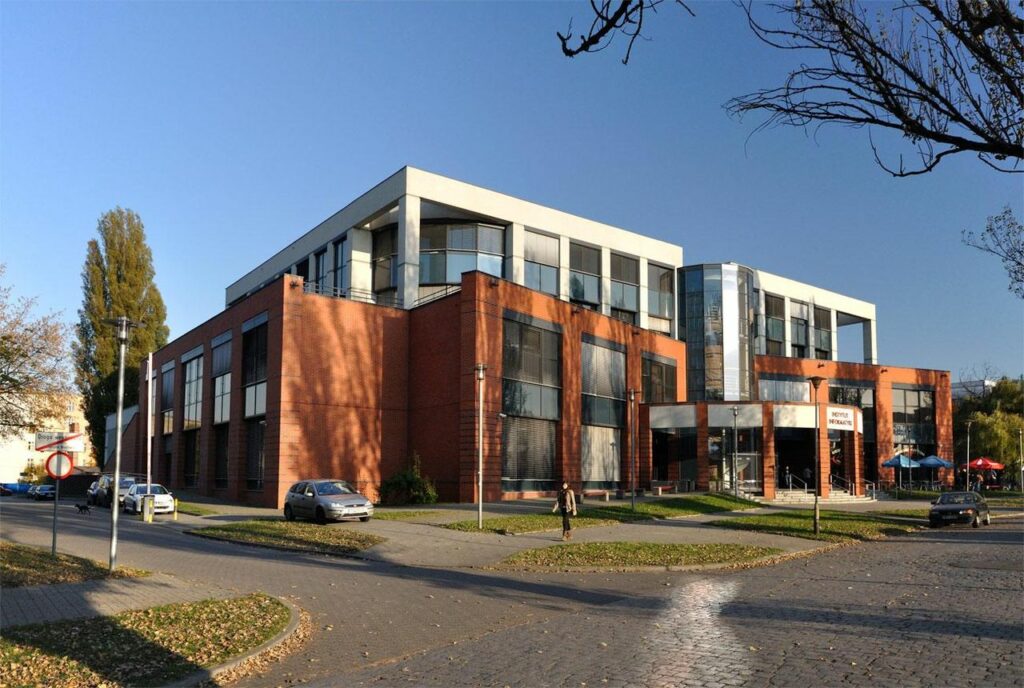
The WUST campus, located along the Oder River, is one of the largest in Poland and is known for its blend of modern facilities and historical architecture. With over 25,000 students, including several thousand internationals, the university offers a dynamic and multicultural environment. Dormitories, research centres, libraries, and cultural venues are all part of a student infrastructure designed to support both learning and community life.
A hallmark of WUST is its strong student engagement in technical competitions and innovation challenges. The university is home to numerous student clubs, such as the PWr Racing Team and Space Team, which develop electric race cars and aerospace technology respectively. These groups regularly participate—and win—in international competitions, showcasing WUST’s emphasis on hands-on, experiential learning.
Embracing Internationalisation
While WUST is rooted in Polish academic tradition, it has become increasingly international in scope. Dozens of degree programmes, particularly in areas like computer science, mechanical engineering, and telecommunications, are offered entirely in English. The university also participates in the Erasmus+ programme, enabling hundreds of students each year to study abroad at partner institutions across Europe and beyond.
WUST’s openness extends to research and staff exchanges as well. As a member of international networks such as CEEPUS, EUA, and the Santander Group, the university maintains vibrant academic collaborations. These relationships reinforce its goal of positioning WUST not just as a national leader, but as a key player in the global engineering and technology community.
Research and Innovation at the Forefront
One of the key distinguishing features of WUST is its commitment to cutting-edge research. It houses several specialised research centres, such as:
- The Centre for Advanced Manufacturing Technologies (CAMT-FPC), focused on Industry 4.0 and robotics.
- The Lower Silesian Centre for Advanced Materials and Biomaterials, pioneering work in nanotechnology and material science.
- The Centre for Renewable Energy Sources and Energy Efficiency, exploring sustainable energy systems.
WUST is also a driving force in the Wrocław Technology Park, a space where startups, spin-offs, and academic labs intersect. These facilities not only foster innovation but also serve as training grounds for students, offering real-world experience in developing technologies that address societal and environmental challenges.
From Local Impact to Global Recognition
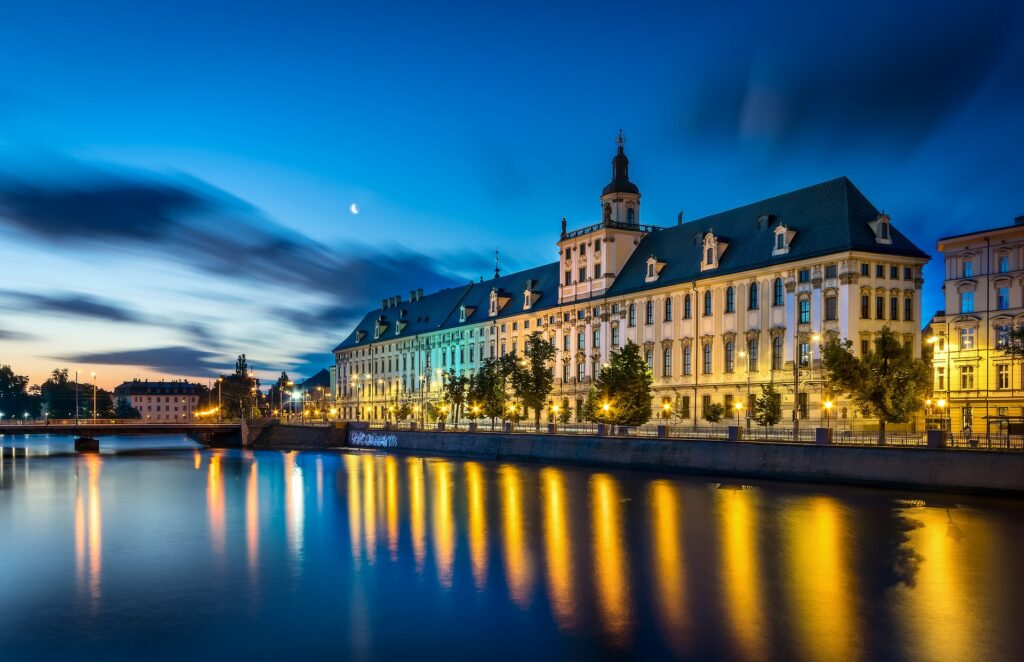
Beyond its academic and research excellence, WUST plays a vital role in the economic development of Lower Silesia. Wrocław has grown into a major hub for IT, manufacturing, and engineering services, in large part due to the university’s talent pipeline and innovation leadership. Its graduates are frequently recruited by top companies not only in Poland but across Europe.
This regional influence has also translated into international visibility. WUST is regularly featured in QS World University Rankings and Times Higher Education, particularly in the Engineering and Technology categories. The university’s proactive approach to internationalisation and investment in state-of-the-art infrastructure has solidified its place on the global academic map.
WUST Compared to Technical Universities Abroad
WUST shares many structural and philosophical traits with other top technical institutions worldwide. In its organisation, it closely resembles Technische Universität Berlin or TU Delft, emphasising research-driven education and collaboration with industry.
Compared to American engineering schools, such as MIT or Stanford, WUST offers similar academic content but at a much lower cost, especially for EU citizens. Tuition fees for international students are still significantly lower than those in the United States, making WUST a competitive option for those seeking quality education without the heavy financial burden.
In contrast to UK technical universities, where Brexit has reduced opportunities for international collaboration and mobility, WUST remains deeply integrated with the European research and education landscape. Moreover, thanks to Poland’s cost of living and generous student support systems, it is a particularly attractive destination for students from Eastern Europe, Asia, and Africa.
Looking Ahead: Engineering the Future
Wrocław University of Science and Technology continues to invest in new fields such as artificial intelligence, quantum computing, biomedical engineering, and sustainable urban planning. The university’s vision includes increasing its research output, expanding international collaborations, and becoming even more engaged in solving global challenges.
In an era where engineering is critical to nearly every sector—from climate resilience to smart cities—WUST stands as a beacon of innovation and technical excellence. Whether you’re a student interested in robotics, an entrepreneur seeking research support, or a researcher aiming to collaborate, this university offers a vibrant, forward-looking academic community grounded in a deep tradition of knowledge and resilience.
You may find the following topics interesting: