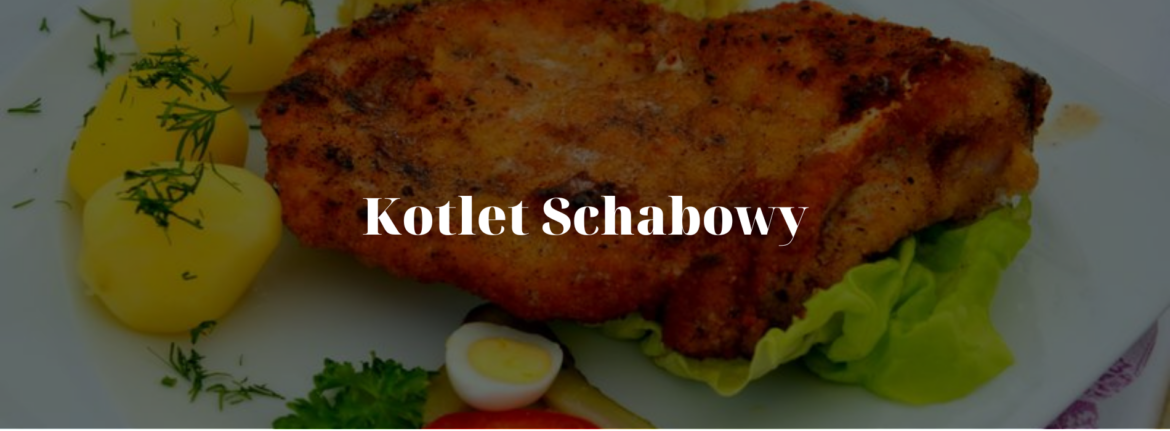
Polish cuisine is a landscape of hearty meats, comforting dumplings, and rich traditions that fascinate newcomers. With its famous soups and intricate preparation methods, it’s often described as a culinary goldmine. Yet even within this rich system, certain dishes stand out, anchoring the weekly rhythm of Polish life. One of the most striking quirks of Polish culture is the traditional Sunday dinner, and at its center is the kotlet schabowy (breaded pork cutlet). It is more than just a golden-fried meal—it is a culinary time capsule, revealing centuries of history, economic shifts, and cultural adaptation.
.
The Sunday Soundtrack: Pounding Meat
One of the most defining features of a Polish Sunday is the auditory experience. If you walk through a traditional Polish neighborhood or apartment block (blokowisko) around 11:00 AM, you will hear a distinct, rhythmic thumping. This is the sound of thousands of meat mallets (tłuczki) pounding slices of pork loin. It represents a shared, nationwide ritual: the preparation of the Sunday schabowy. Just as certain Polish words reflect deep historical roots, this Sunday soundtrack reflects a deeply ingrained routine that brings families together at the end of the week.
The Problem with Origins: Not Quite Ancient
You might assume this iconic dish traces its roots back to ancient Slavic tribes or medieval kings. But schabowy is a relatively modern invention. It evolved from the Austrian Wiener Schnitzel and the Italian Cotoletta alla Milanese. In the 19th century, veal was expensive and reserved for the elite, while pigs were affordable, resilient, and widely raised on Polish farms. By swapping expensive veal for accessible pork, the dish was democratized. Over time, the Polish form retained its popularity and solidified into a staple of the working class.
Anatomy of a Classic Plate
A traditional schabowy dinner follows strict, predictable patterns. While modern variations exist, a classic plate consists of three mandatory elements:
- The Cutlet: Pork loin (schab) pounded thin, coated in flour, beaten egg, and breadcrumbs, and traditionally fried in pork lard (smalec) for a perfectly crisp crust.
- The Potatoes: Boiled potatoes, usually sprinkled generously with fresh dill.
- The Salad: In summer, this is often mizeria (cucumbers sliced thin in sour cream); in winter, it is typically kapusta zasmażana (warm, fried cabbage).
These components are as foundational to the meal as grammar rules are to a language. To serve the cutlet without them is considered an incomplete experience.
The Communist Era Boom
The dish truly exploded into a national obsession during the post-WWII communist era (the PRL period). The state heavily promoted pork production, and the breaded cutlet became the ultimate symbol of a prosperous, proper Sunday dinner. It was a hearty reward at the end of a long, difficult week. Most Poles simply grew up with this weekly rhythm, accepting it as an essential and unshakeable part of their identity.
Why Does the Schabowy Matter?
While it might seem like just a simple fried pork cutlet, the schabowy is not merely random food. It carries history, reflects patterns of agriculture, and tells stories about social class and culinary change. Understanding this dish helps migrants appreciate Polish cuisine not just as a set of recipes, but as a living, evolving system shaped by real people and historical forces. It’s a reminder that food, much like language, acts as a museum of collective memory. In the end, it’s these comforting, everyday traditions that make Polish culture uniquely Polish.