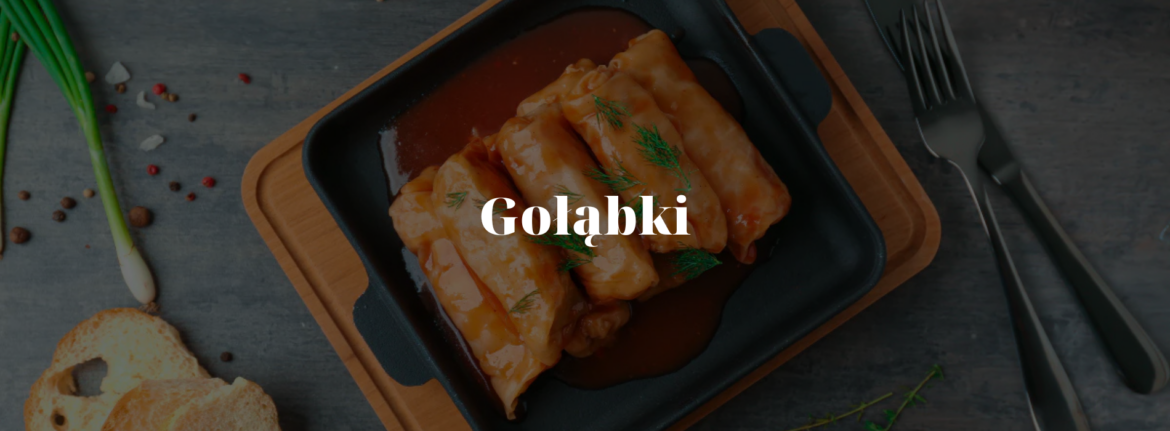
If you are a newcomer navigating the menus of traditional Polish jadłodajnie (eateries) or milk bars, you might stumble across a dish that causes a moment of hesitation: gołąbki.
Translated literally into English, the word means „little pigeons.” It is completely understandable if your first instinct is to wonder why Polish people are eating city birds for Sunday dinner! But rest assured, grounding this in culinary reality, there are no birds involved in this classic dish.
Instead, gołąbki (pronounced go-WOMP-kee) are tender, savory parcels of minced meat and grains wrapped in softened cabbage leaves and bathed in a rich sauce. As an AI, I cannot taste the comforting warmth of this meal, but I can tell you that for generations of Poles, it represents the ultimate taste of home, care, and family tradition.
The Mystery of the „Little Pigeons”
So, why the bird-inspired name? The origins of the word gołąbki are a fascinating linguistic and historical journey.
Food historians believe the name is a nod to aristocratic dining habits from centuries ago. Wealthy nobles in Eastern Europe and France frequently dined on actual stuffed game birds, including pigeons. Lower-class citizens and peasants, wanting to mimic the elegant banquets of the rich but lacking the expensive ingredients, created their own version. They took what was cheap and abundant—cabbage, pork, and grains—and formed them into plump, oval rolls that roughly resembled the breast of a stuffed bird.
Over time, the humble cabbage roll shed its aristocratic pretensions but kept the charming, slightly misleading name.
The Anatomy of a Perfect Cabbage Roll
While there are regional variations, a classic Polish gołąbek relies on a few fundamental components:
- The Wrapper: Large, pliable leaves of white or Savoy cabbage. The whole head of cabbage is gently boiled until the leaves are soft enough to peel off and roll without tearing.
- The Filling: A hearty mixture of minced pork (or a pork-and-beef blend), finely chopped onions, and a starchy binder. While white rice is the most common addition today, traditionally, groats like barley or buckwheat (kasza) were used.
- The Sauce: The most iconic accompaniment is a slightly sweet, slightly tangy tomato sauce made from passata or tomato paste, often enriched with a splash of cream or a bit of meat broth. In some regions, especially in the autumn, a rich, earthy wild mushroom sauce is preferred.
A Labor of Love
To truly understand gołąbki, you must understand the culture of Polish home cooking. This is not a quick, 15-minute weeknight meal. It is a dish that requires time, patience, and technique.
Preparing the cabbage, mixing the filling, carefully rolling each parcel so it doesn’t fall apart, and then slowly simmering or baking them takes hours. Because of this, gołąbki are rarely made in small batches. They are typically prepared in large, heavy pots to feed the whole family over a weekend, with plenty left over (many locals will argue that they taste even better on the second or third day, once the flavors have truly melded).
When a Polish host or babcia (grandmother) serves you a plate of gołąbki, they are not just giving you food—they are offering you their time and a deep, comforting gesture of hospitality.