Tag: History
-
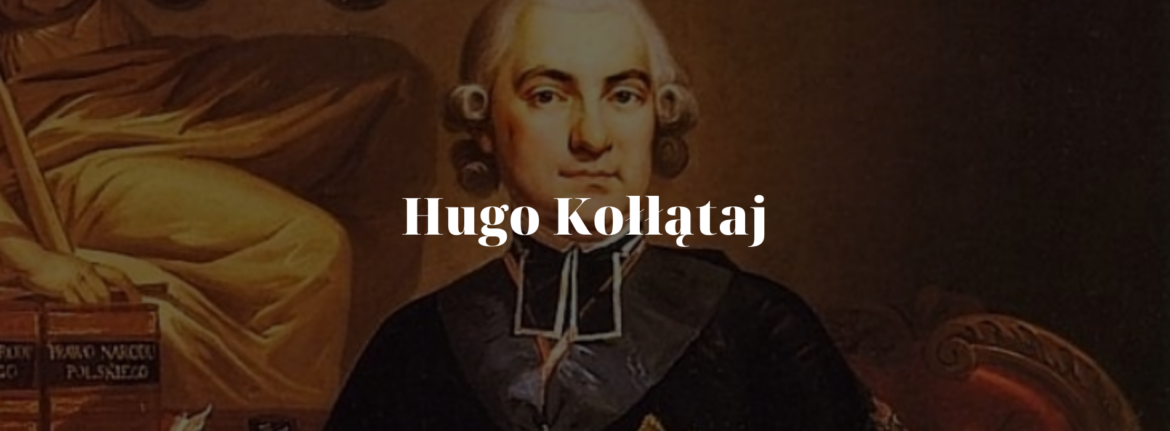
During the late 18th century, the Polish-Lithuanian Commonwealth was a sprawling but politically paralyzed state, teetering on the edge of collapse under the pressure of its powerful neighbors. It was in this atmosphere of existential crisis that Hugo Kołłątaj—a Catholic priest, philosopher, and fierce political pragmatist—emerged as the intellectual engine of the Polish Enlightenment. Kołłątaj…
-
Languages are like living beings. They are born, grow, evolve, borrow from their surroundings, and adapt to changing times. The Polish language is no different. With over a thousand years of history, it tells a story not only of words and grammar, but also of the people, rulers, migrations, wars, and cultures that shaped what…
-
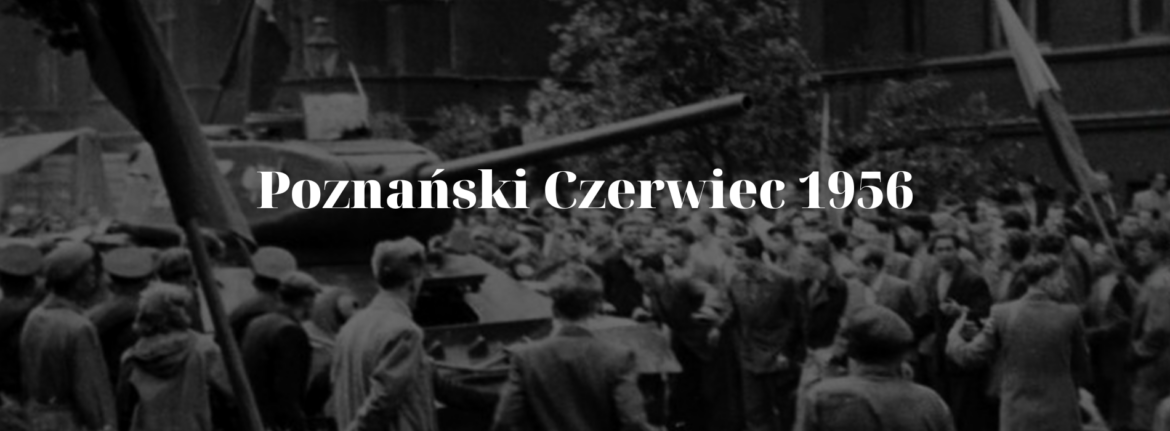
Poznański Czerwiec 1956 was the first major workers’ uprising in post-war Poland, exposing the deep fractures within the Polish People’s Republic (PRL). Sparked by economic hardship and political dissatisfaction, the protests in Poznań marked a pivotal moment in the struggle for workers’ rights and social justice. The brutal suppression of the uprising revealed the state’s…
-
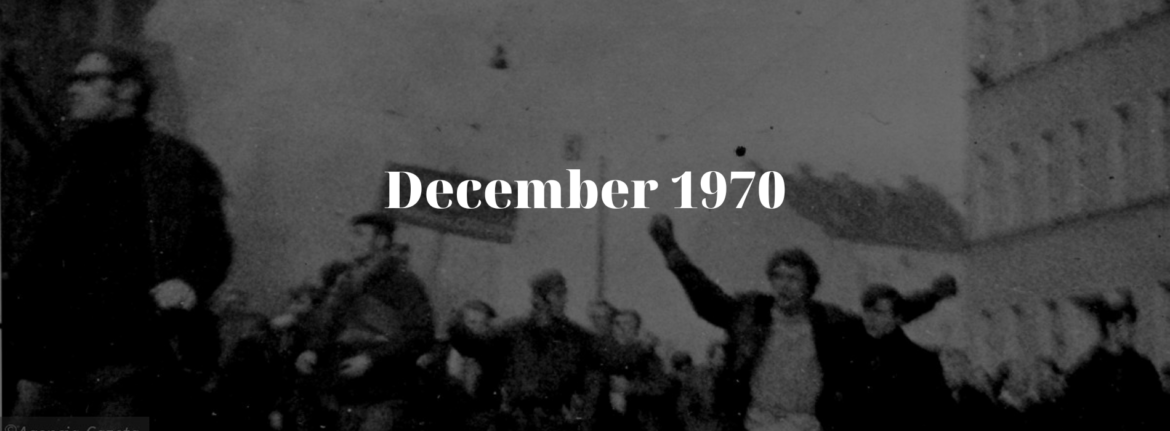
The events of December 1970 (Grudzień 1970) stand as one of the darkest chapters in Polish post-war history. What began as protests against sudden price hikes quickly escalated into a violent confrontation between the authorities and workers along Poland’s northern coast. The brutal suppression of demonstrations in cities like Gdańsk, Gdynia, Elbląg, and Szczecin revealed…
-
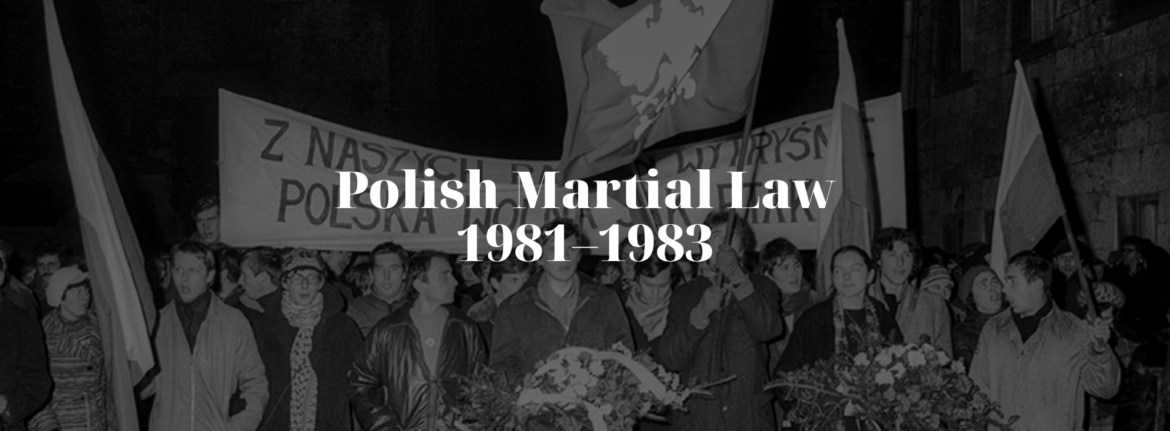
The imposition of martial law in Poland on 13 December 1981 marked one of the darkest chapters in the country’s modern history. Introduced by General Wojciech Jaruzelski and the communist authorities, it was a desperate attempt to suppress the growing opposition spearheaded by the Solidarity movement (Solidarność). This dramatic period of oppression left a profound…
-
The era of the Polish People’s Republic (Polska Rzeczpospolita Ludowa, PRL) spanned from 1947 to 1989, marking a significant chapter in Poland’s 20th-century history. Defined by communist rule under the influence of the Soviet Union, the PRL left a complex legacy, blending industrial progress and social reforms with political oppression and economic hardships. The Establishment…
-
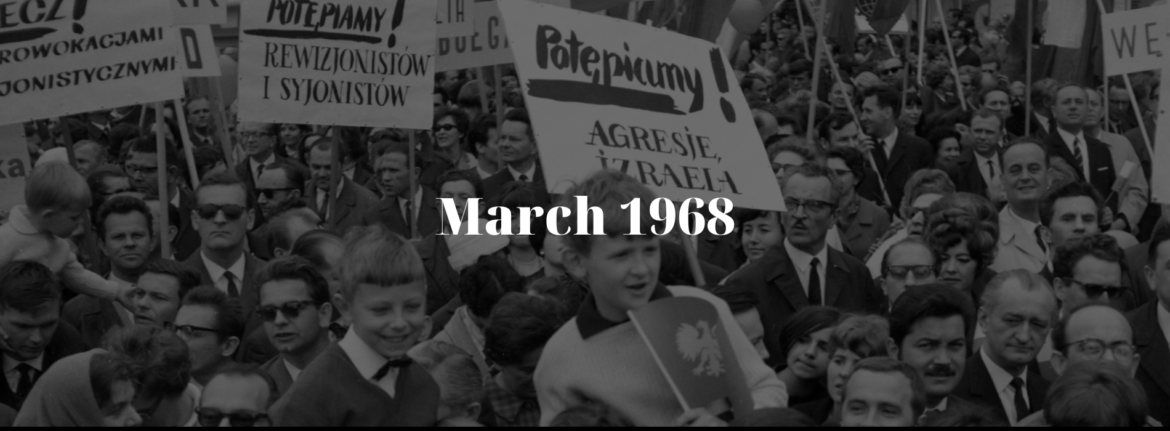
The events of March 1968 (Marzec 1968) in Poland were a pivotal moment in the country’s history, marking the intersection of political repression, student protests, and an anti-Semitic campaign that would leave a deep scar on Polish society. What began as a demonstration for cultural freedom quickly escalated into a nationwide crisis, revealing the extent…
-
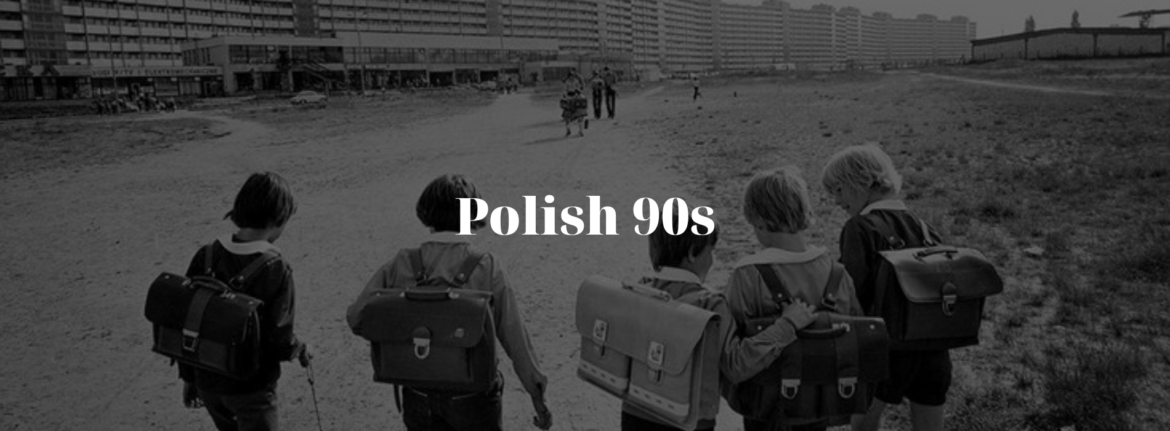
The 1990s were a defining decade for Poland, marking a transition from decades of communist rule to a democratic political system and a market-based economy. These transformative years brought both great opportunities and significant challenges, shaping the nation’s modern identity. The End of Communism and the Dawn of Democracy The collapse of the communist regime…
-

The Churches of Peace (Kościoły Pokoju) in Jawor and Świdnica are among the most extraordinary religious monuments in Poland. Built during the mid-17th century under strict limitations, these timber-framed structures are not only architectural masterpieces but also enduring symbols of the Protestant struggle for religious freedom. Recognised as UNESCO World Heritage Sites, they remain a…
-
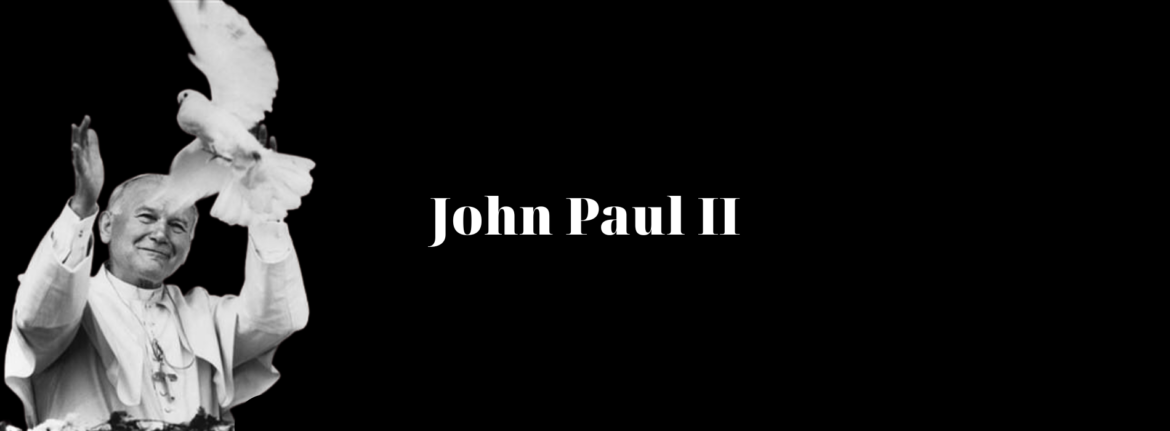
Karol Józef Wojtyła, known to the world as Pope John Paul II, was one of the most influential spiritual and political figures of the 20th century. Born in Wadowice, Poland, on 18 May 1920, he became the first non-Italian pope in 455 years and a symbol of hope and resilience for millions. His papacy, spanning…