Tag: Polish cities
-
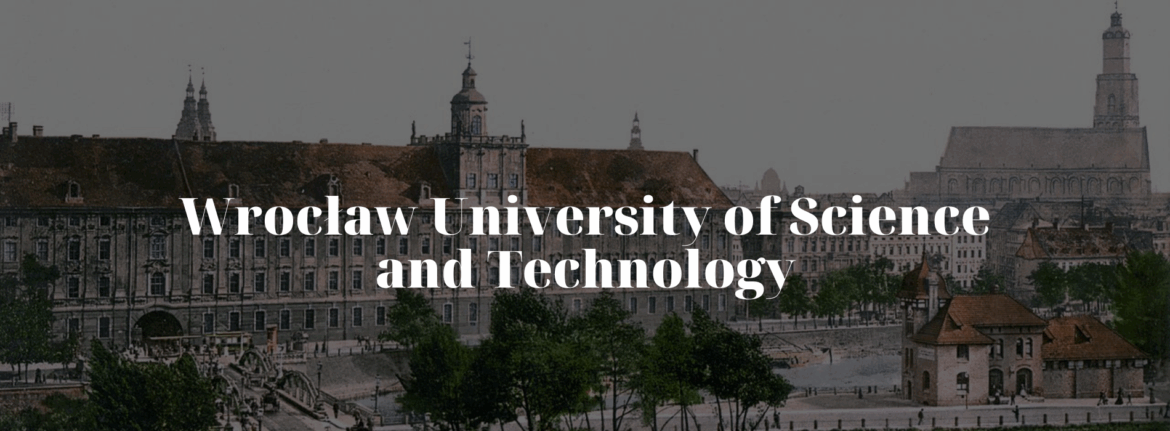
Situated in the historic city of Wrocław, the Wrocław University of Science and Technology (WUST) stands as one of Poland’s most prominent technical institutions. Known for its commitment to innovation, industry partnerships, and world-class education in engineering and applied sciences, WUST has shaped generations of scientists, engineers, and entrepreneurs. Its history, rooted in both resilience…
-
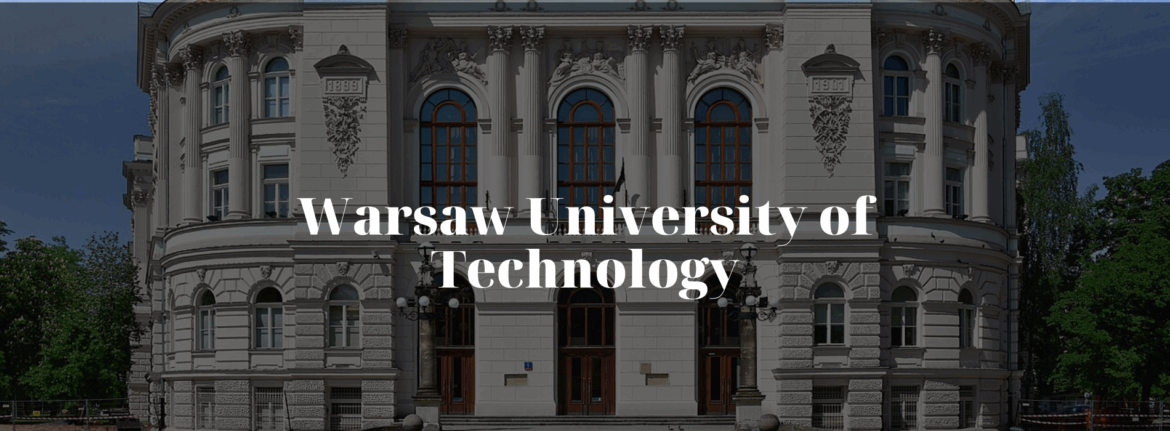
Among Poland’s most prestigious and impactful academic institutions stands the Warsaw University of Technology (Politechnika Warszawska, WUT)—a beacon of engineering excellence, innovation, and resilience. With a history shaped by Poland’s turbulent path to independence, occupation, and modernisation, the university has consistently served as a hub for scientific progress, shaping the nation’s industrial, technological, and intellectual…
-
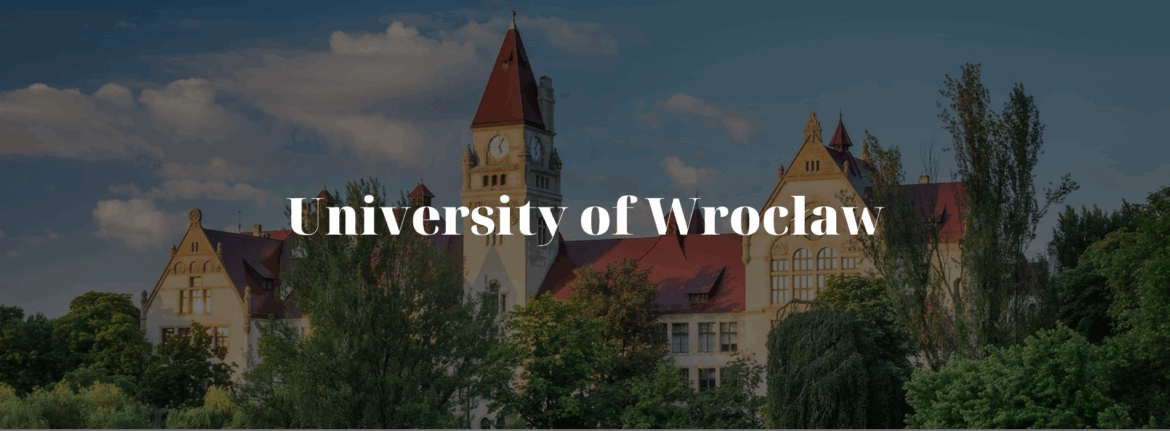
In the city of Wrocław, where the architectural elegance of centuries blends seamlessly with modern European life, stands a university that embodies both tradition and transformation: the University of Wrocław. Its story is one of persistence, political complexity, and academic achievement—stretching from medieval ambitions, through Habsburg and Prussian power struggles, to becoming one of Poland’s…
-
-

Nestled in southeastern Poland, Zamość stands as a unique testament to Renaissance urban planning and architectural brilliance. Founded in the late 16th century, the city remains one of Europe’s best-preserved examples of an ideal Renaissance town. Its perfectly symmetrical layout, grand fortifications, and stunning architectural landmarks have earned it a place on the UNESCO World…
-

The Stanisław Moniuszko Grand Theater in Poznań stands as one of Poland’s most significant cultural institutions, with a rich history dating back to the early 20th century. Its monumental building, located at 9 Fredry Street, serves not only as an opera house but also as a symbol of the city’s neoclassical architecture. Historical Origins The…
-

The Saxon Palace (Pałac Saski) in Warsaw is one of the most iconic and historically significant buildings in Poland’s capital. Its story reflects the city’s turbulent past, from its grandeur during the 18th century to its complete destruction during World War II. Today, efforts are underway to reconstruct the palace, aiming to restore an important…
-

The Palace of Culture and Science (PKiN) in Warsaw stands as one of the most recognizable symbols of Poland’s capital city. Constructed between 1952 and 1955 as a „gift from the Soviet nation to the Polish nation,” it continues to evoke both admiration and controversy. Its monumental silhouette dominates Warsaw’s city center, while its rich…
-

Ostrów Tumski is the oldest part of Wrocław, often regarded as the cradle of the city. Situated on an island surrounded by the arms of the Oder River, it has been an important centre of both secular and religious power for centuries. Its history dates back to early medieval times when the first settlement was…
-

In the southeastern corner of Poland lies a mystical realm largely untouched by the rush of modern life, the Bieszczady Mountains. Part of the Eastern Carpathians, this area is celebrated for its sweeping landscapes, rich biodiversity, and an atmosphere that encourages one to disconnect from daily routines and reconnect with nature. This region, often seen…