Tag: Independence
-
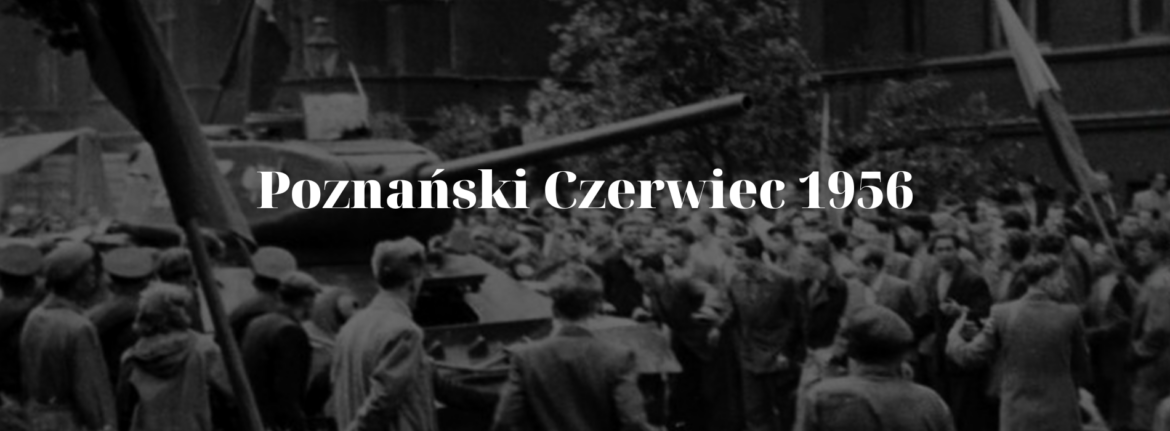
Poznański Czerwiec 1956 was the first major workers’ uprising in post-war Poland, exposing the deep fractures within the Polish People’s Republic (PRL). Sparked by economic hardship and political dissatisfaction, the protests in Poznań marked a pivotal moment in the struggle for workers’ rights and social justice. The brutal suppression of the uprising revealed the state’s…
-
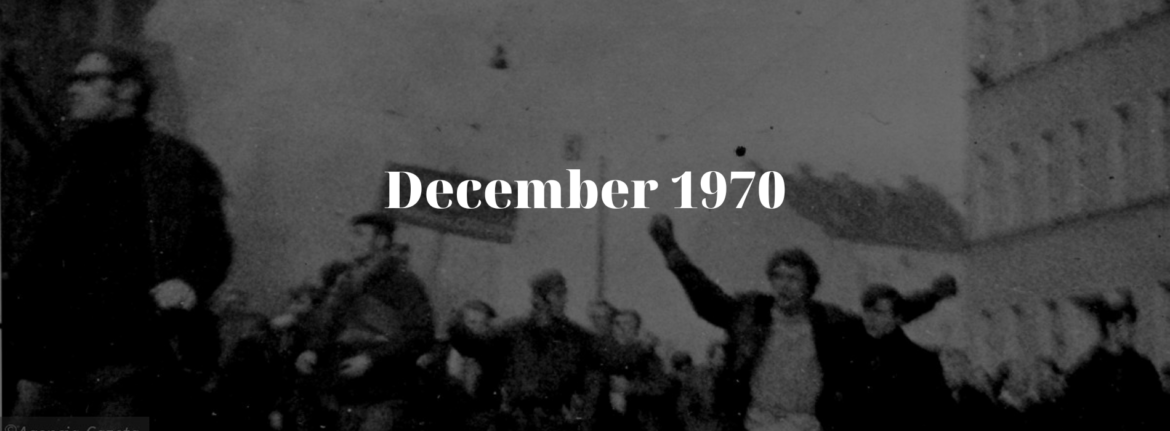
The events of December 1970 (Grudzień 1970) stand as one of the darkest chapters in Polish post-war history. What began as protests against sudden price hikes quickly escalated into a violent confrontation between the authorities and workers along Poland’s northern coast. The brutal suppression of demonstrations in cities like Gdańsk, Gdynia, Elbląg, and Szczecin revealed…
-
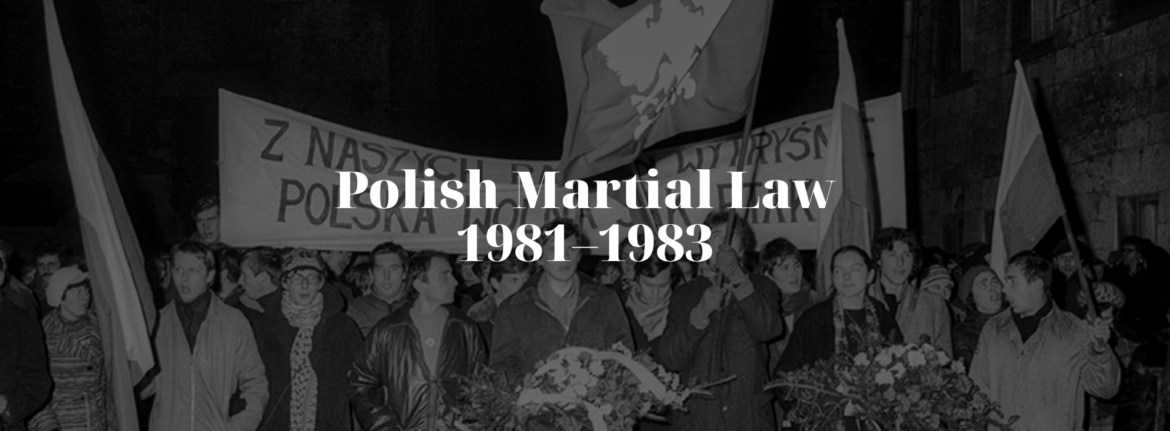
The imposition of martial law in Poland on 13 December 1981 marked one of the darkest chapters in the country’s modern history. Introduced by General Wojciech Jaruzelski and the communist authorities, it was a desperate attempt to suppress the growing opposition spearheaded by the Solidarity movement (Solidarność). This dramatic period of oppression left a profound…
-
The era of the Polish People’s Republic (Polska Rzeczpospolita Ludowa, PRL) spanned from 1947 to 1989, marking a significant chapter in Poland’s 20th-century history. Defined by communist rule under the influence of the Soviet Union, the PRL left a complex legacy, blending industrial progress and social reforms with political oppression and economic hardships. The Establishment…
-
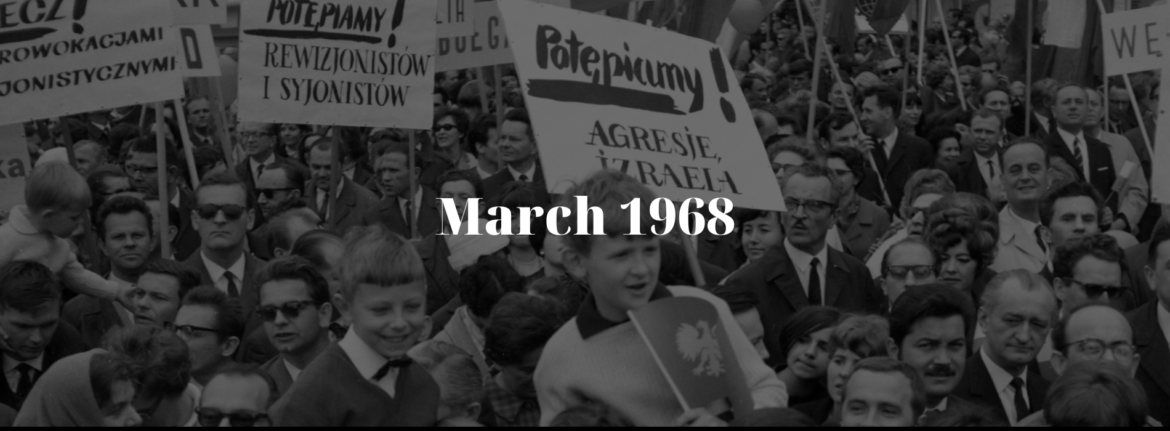
The events of March 1968 (Marzec 1968) in Poland were a pivotal moment in the country’s history, marking the intersection of political repression, student protests, and an anti-Semitic campaign that would leave a deep scar on Polish society. What began as a demonstration for cultural freedom quickly escalated into a nationwide crisis, revealing the extent…
-

Kazimierz Piechowski’s life story is a testament to the resilience of the human spirit in the face of unimaginable adversity. Born on June 29, 1919, in the small town of Szczytniki, Poland, Piechowski’s early years were marked by the tumultuous events of the 20th century, including the outbreak of World War II and the horrors…
-
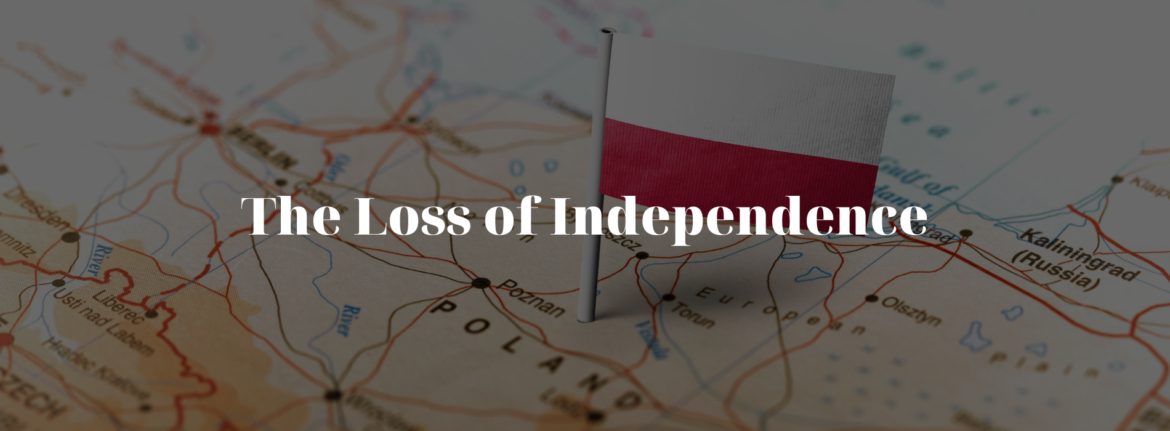
Poland’s loss of independence in the 18th century is one of the most pivotal and tragic episodes in the country’s history. The series of three partitions, which occurred between 1772 and 1795, saw the once-powerful Polish-Lithuanian Commonwealth dismantled by its neighbours—Russia, Prussia, and Austria—until it ceased to exist as a sovereign state. This devastating event…
-
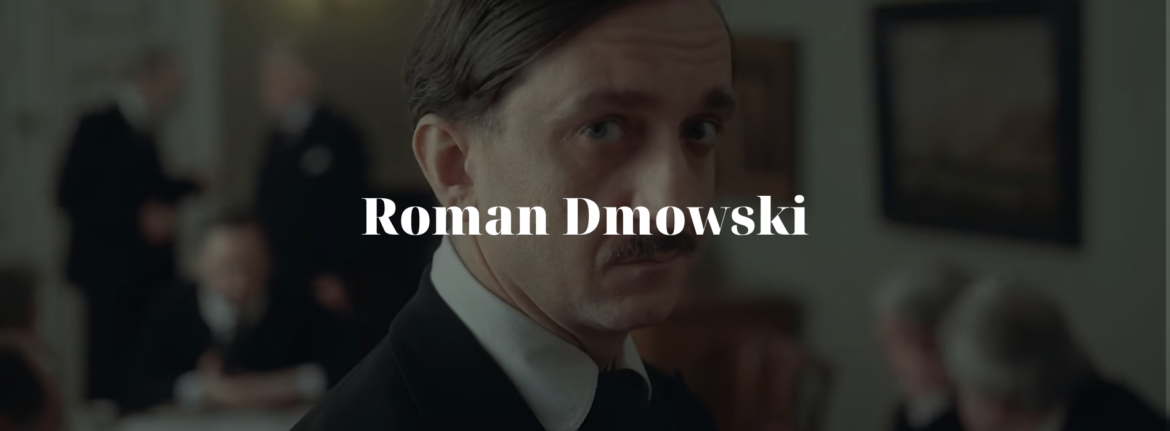
Roman Dmowski stands out as one of the most pivotal and controversial figures in Polish history, known for his significant role in the country’s fight for independence and his influence on the national identity of Poland in the early 20th century. Born on August 9, 1864, in a small village in Mazovia, Dmowski’s life and…
-

Wojciech Korfanty is a name synonymous with the fight for Silesian autonomy and Polish identity in the tumultuous period following World War I. Born on April 20, 1873, in the small village of Błotnica Strzelecka in Upper Silesia, Korfanty emerged as one of the most significant political figures in Polish history, advocating tirelessly for the…
-
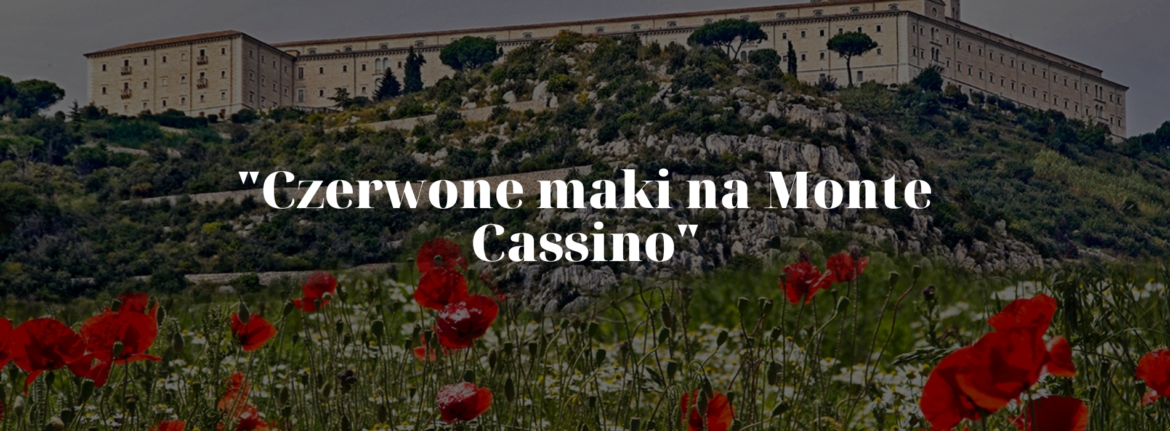
Introduction „Czerwone maki na Monte Cassino” („The Red Poppies on Monte Cassino”) is not just a song; it is a powerful anthem that commemorates the bravery and sacrifice of Polish soldiers during World War II. This poignant song, written in 1944, has become an enduring symbol of Polish patriotism and resilience. This article delves into…