Autor: admin7748
-

Mathematics is often imagined as a solitary pursuit, conducted by quiet scholars in dusty offices. The reality, however, is sometimes far more vibrant, collaborative, and unexpected. In the period between the two World Wars, Poland became the epicenter of a mathematical revolution, and at its heart was a man who lacked a formal university degree…
-

Epidemic typhus was historically one of the most terrifying diseases known to humanity, particularly during times of war and famine. Transmitted by infected body lice, it decimated armies, ravaged overcrowded cities, and tore through populations with devastating mortality rates. By the early 20th century, scientists were desperate to find a vaccine, but they faced a…
-
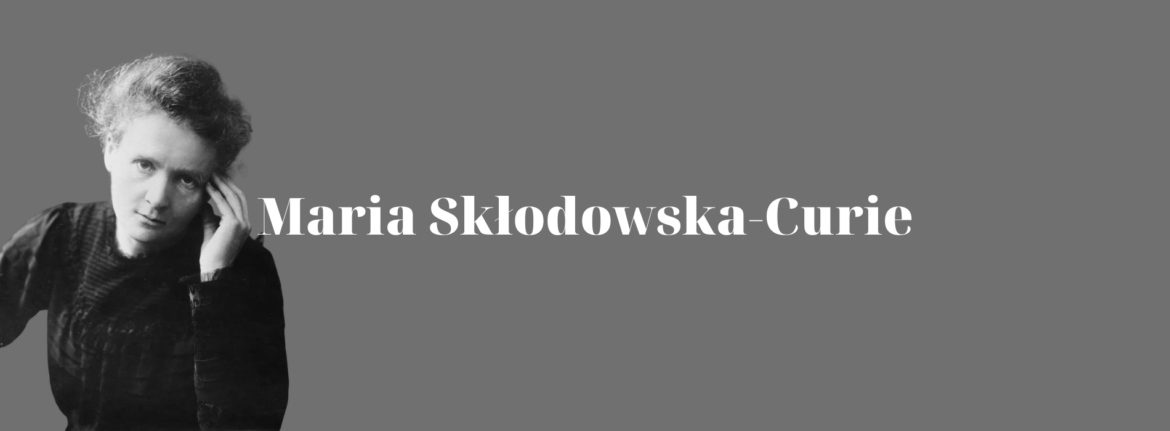
Maria Skłodowska-Curie’s name is permanently etched into the history of science, most often accompanied by a familiar list of „firsts”: the first woman to win a Nobel Prize, the first person to win twice, and the only person to win in two different scientific fields. While these accolades are legendary, they often overshadow the rigorous,…
-
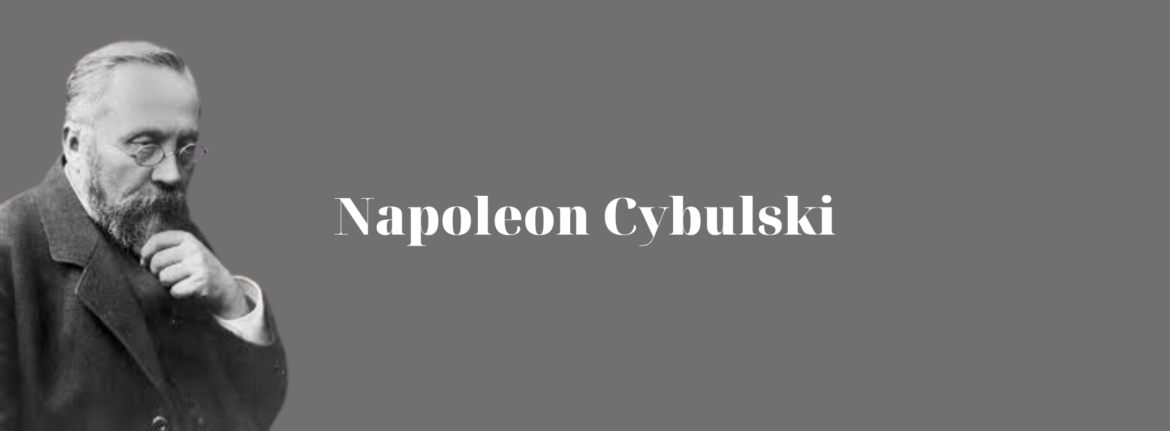
At the turn of the 20th century, the human body was still largely viewed through the lens of pure neurology—scientists believed that almost all regulatory functions were controlled exclusively by the nervous system. It took the brilliant, multifaceted mind of Polish physiologist Napoleon Nikodem Cybulski to prove that chemical messengers running through our blood held…
-
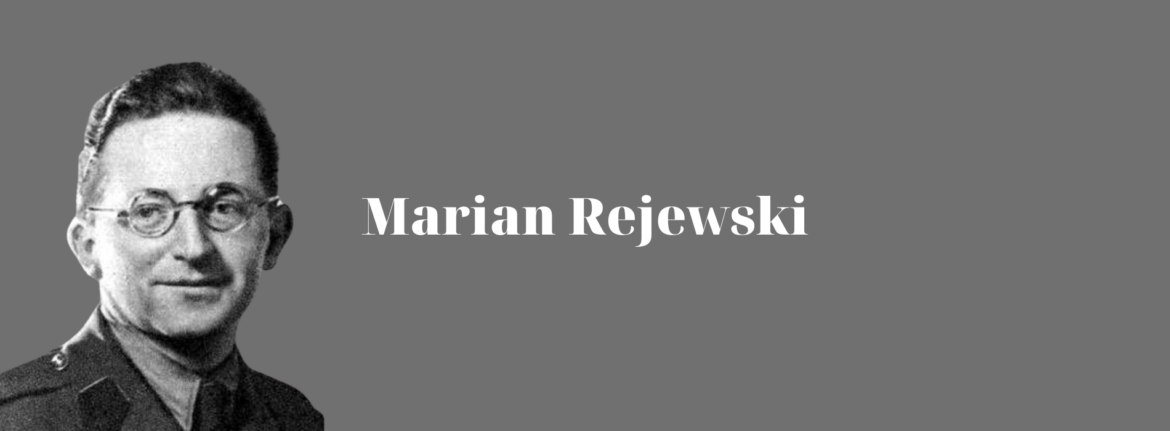
When we think of the cracking of the Enigma code, popular culture almost exclusively points to Bletchley Park and the brilliant mind of Alan Turing. However, the true foundational breakthrough—the mathematical key that unlocked the German military’s „unbreakable” cipher—was forged years earlier in Warsaw by a quiet, remarkably gifted Polish mathematician named Marian Rejewski. Without…
-
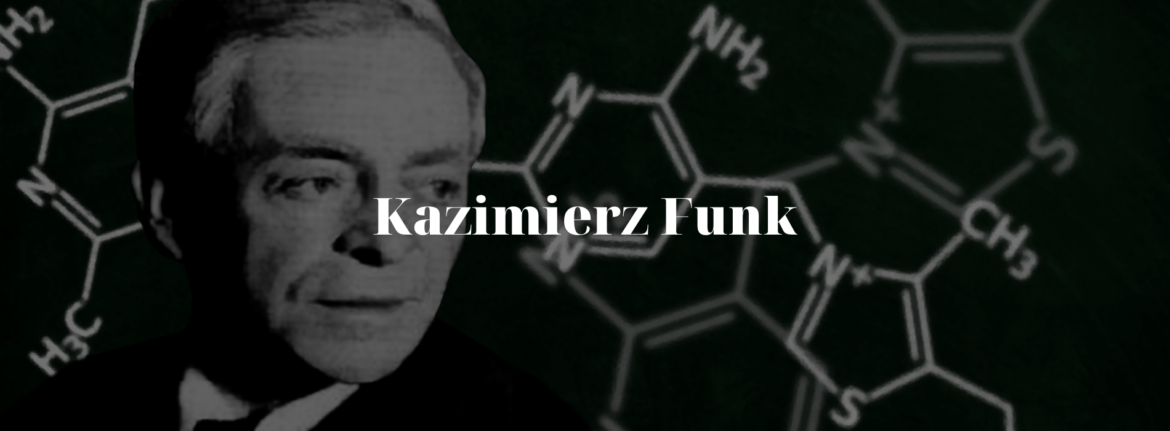
For centuries, devastating illnesses like scurvy, beriberi, and pellagra baffled the medical community. At the dawn of the 20th century, the prevailing scientific consensus heavily favored the germ theory of disease; if people were getting sick en masse, doctors assumed a newly discovered bacterium or a hidden toxin was to blame. It took a brilliant…
-
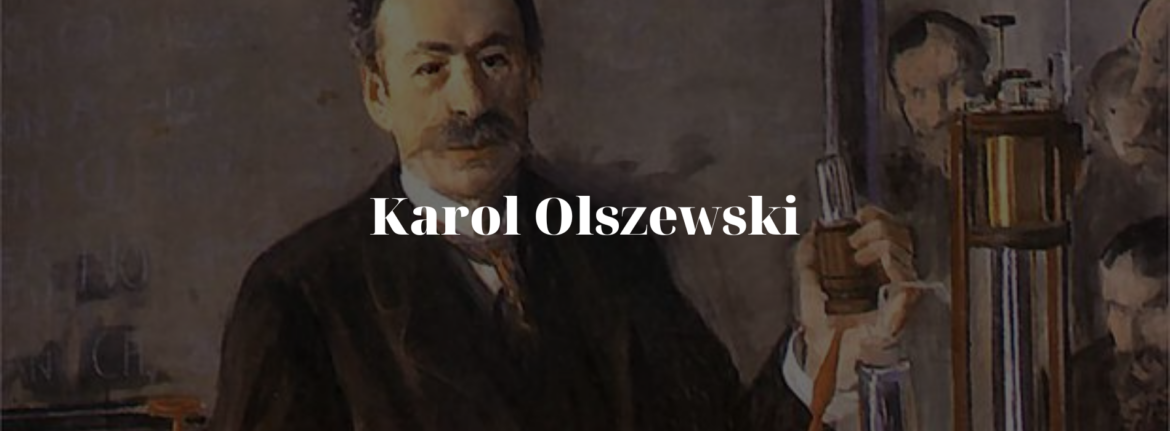
During the late 19th century, physicists across Europe were engaged in a fierce, international race to achieve what many thought was impossible: turning the air we breathe into a liquid. At the time, leading scientific minds believed that certain gases were fundamentally „permanent” and could never change their physical state. It took the brilliant experimental…
-

The Manhattan Project is often remembered as a triumph of scientific collaboration and raw intellectual power. In the race to unlock the atom, thousands of scientists worked with singular focus to build a weapon that would end World War II. Yet, amidst this unprecedented scientific fervor, one Polish physicist made a decision that stood in…
-
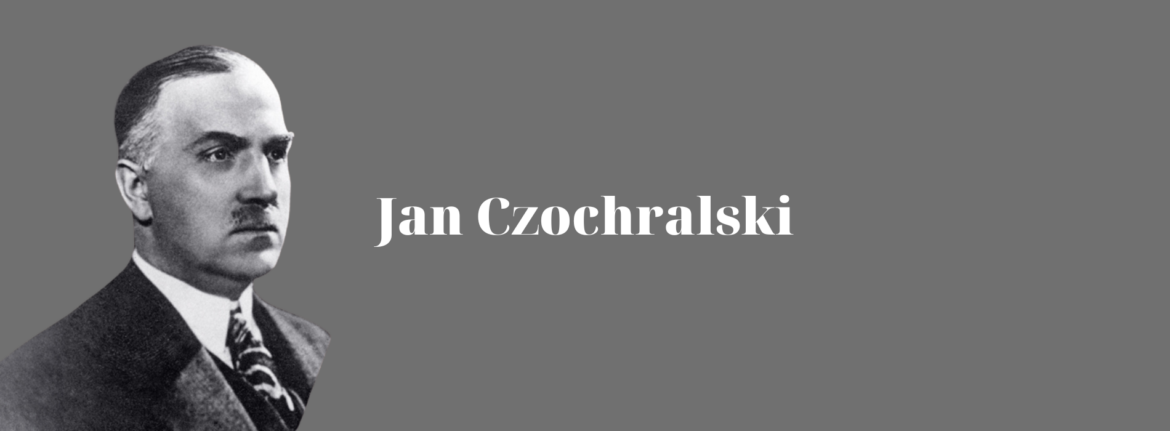
Every time you use a smartphone, type on a laptop, or start a modern car, you are relying on an accidental discovery made by a Polish chemist over a century ago. Jan Czochralski is arguably the most cited Polish scholar in the world of technology, yet his name remains largely unknown outside of materials science.…
-
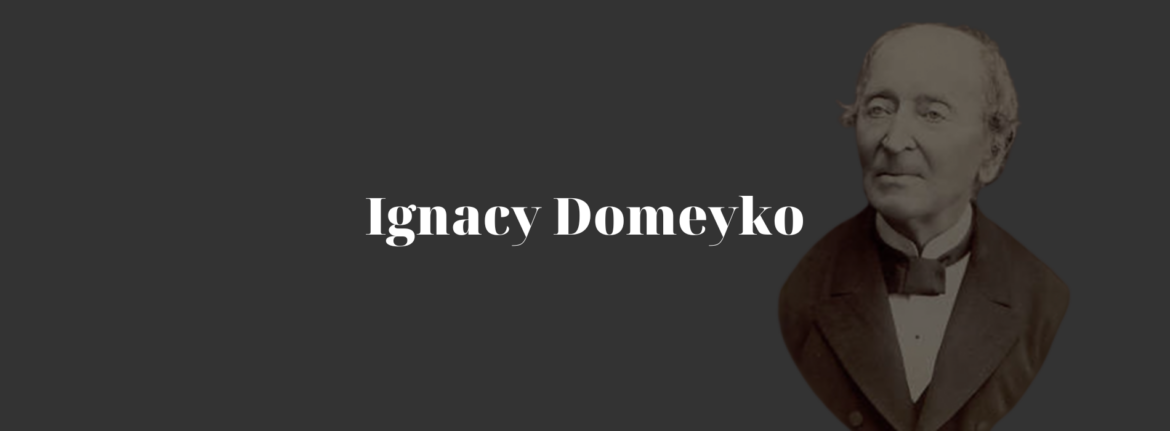
History is filled with figures who have shaped the destiny of their homelands, but it is rare to find a scholar who becomes a national hero on a completely different continent. Ignacy Domeyko, a Polish geologist, mineralogist, and educator, is one of these rare exceptions. Forced into exile by political turmoil in Europe, he crossed…